Phase 1
Storyboarding
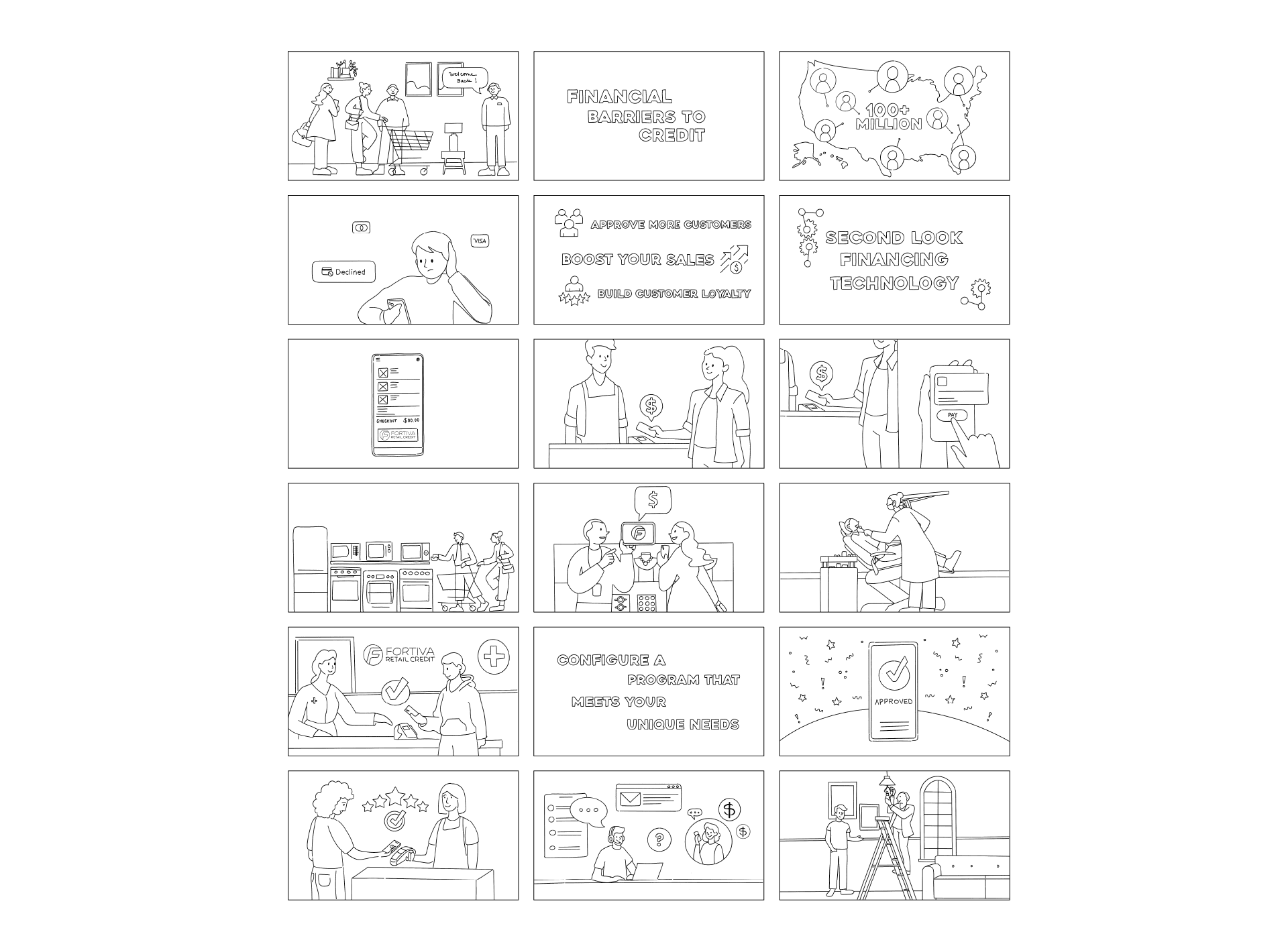
A clear blueprint. No guesswork.
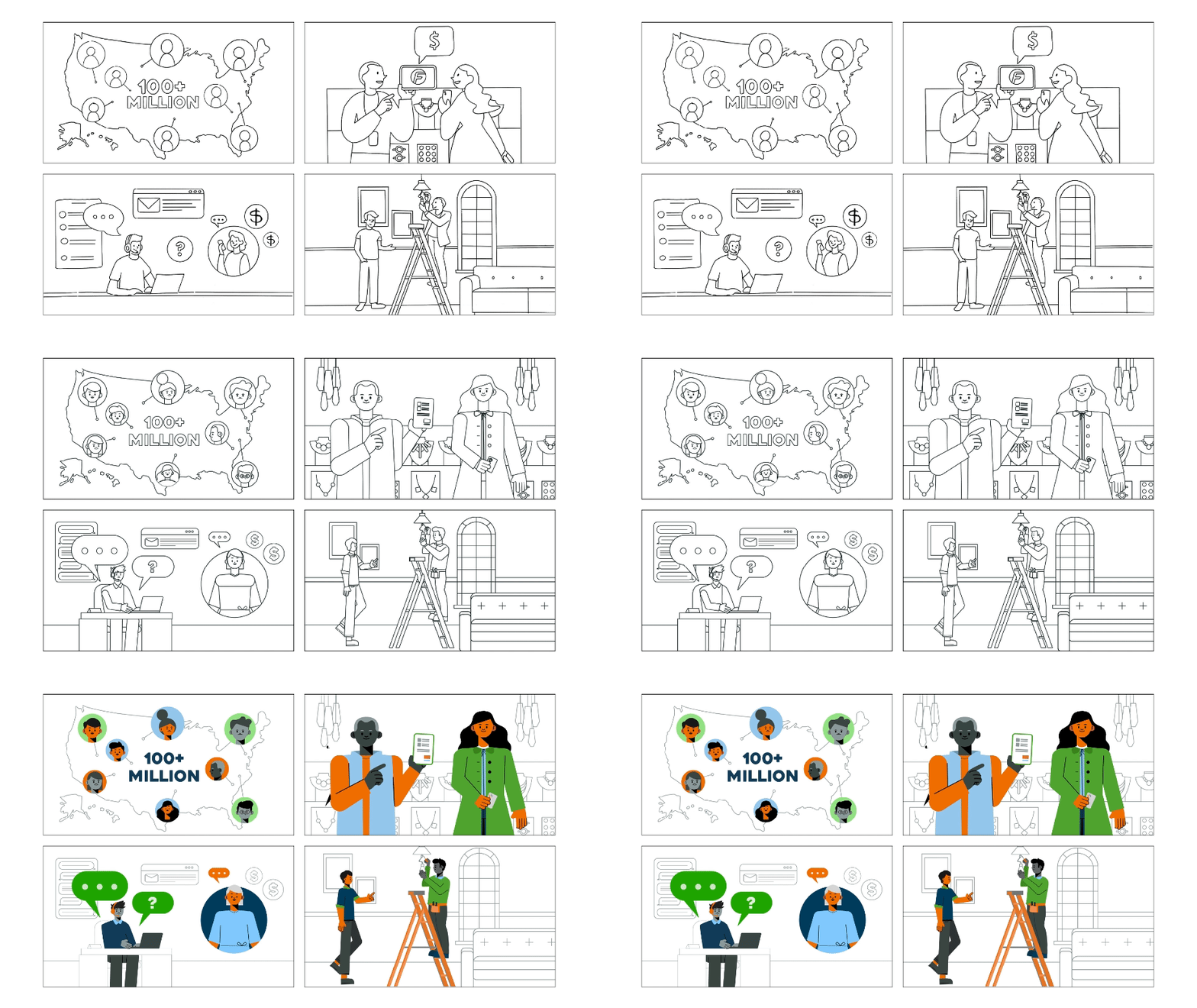
We mapped the narrative frame by frame, locking composition, pacing, and emotional beats before production started. In a category that defaults to stock photography, the plan had to prove illustration was worth the investment before a single character existed.
Phase 2
Styleframing
Solidify the mood before the motion.
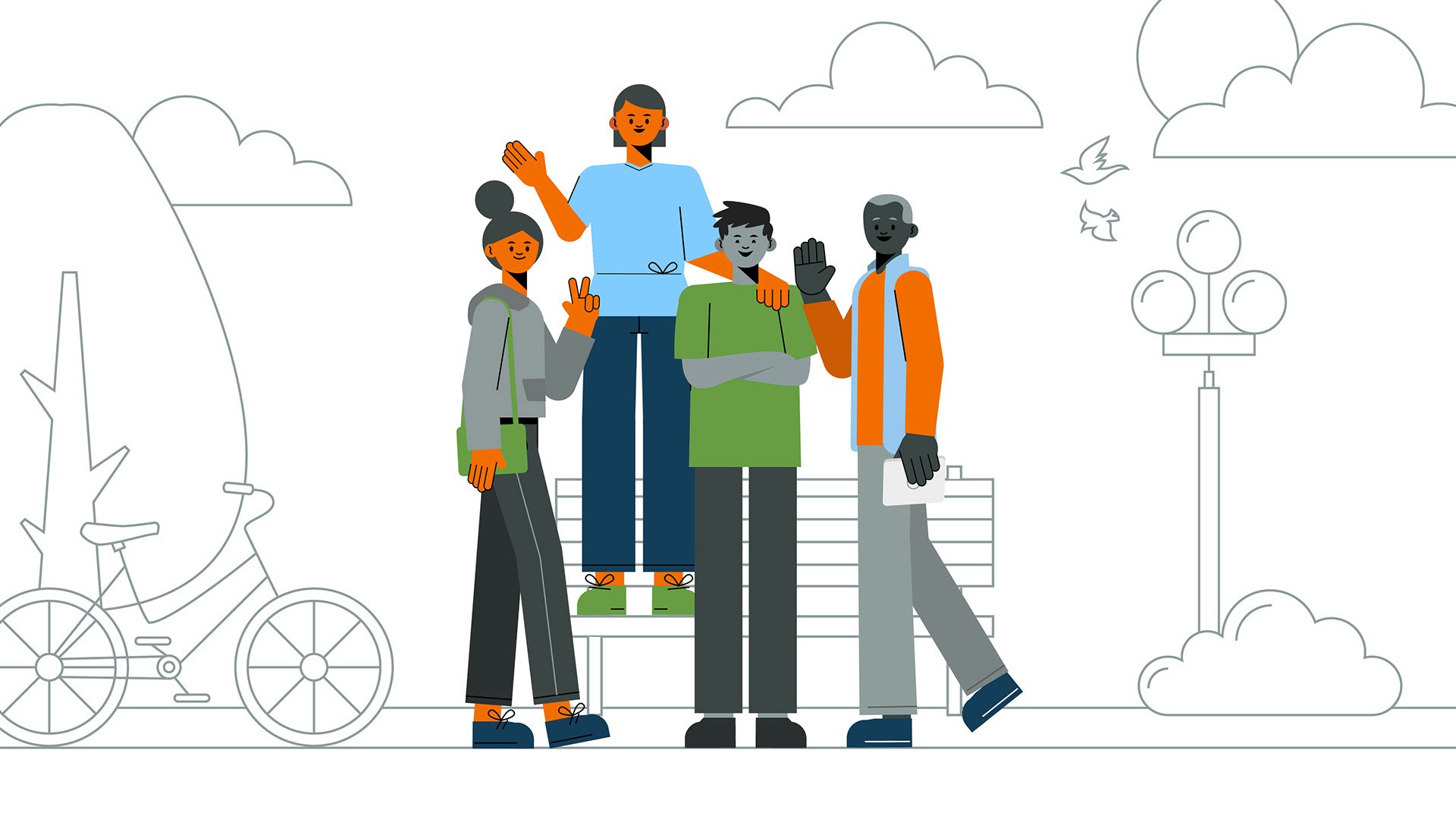
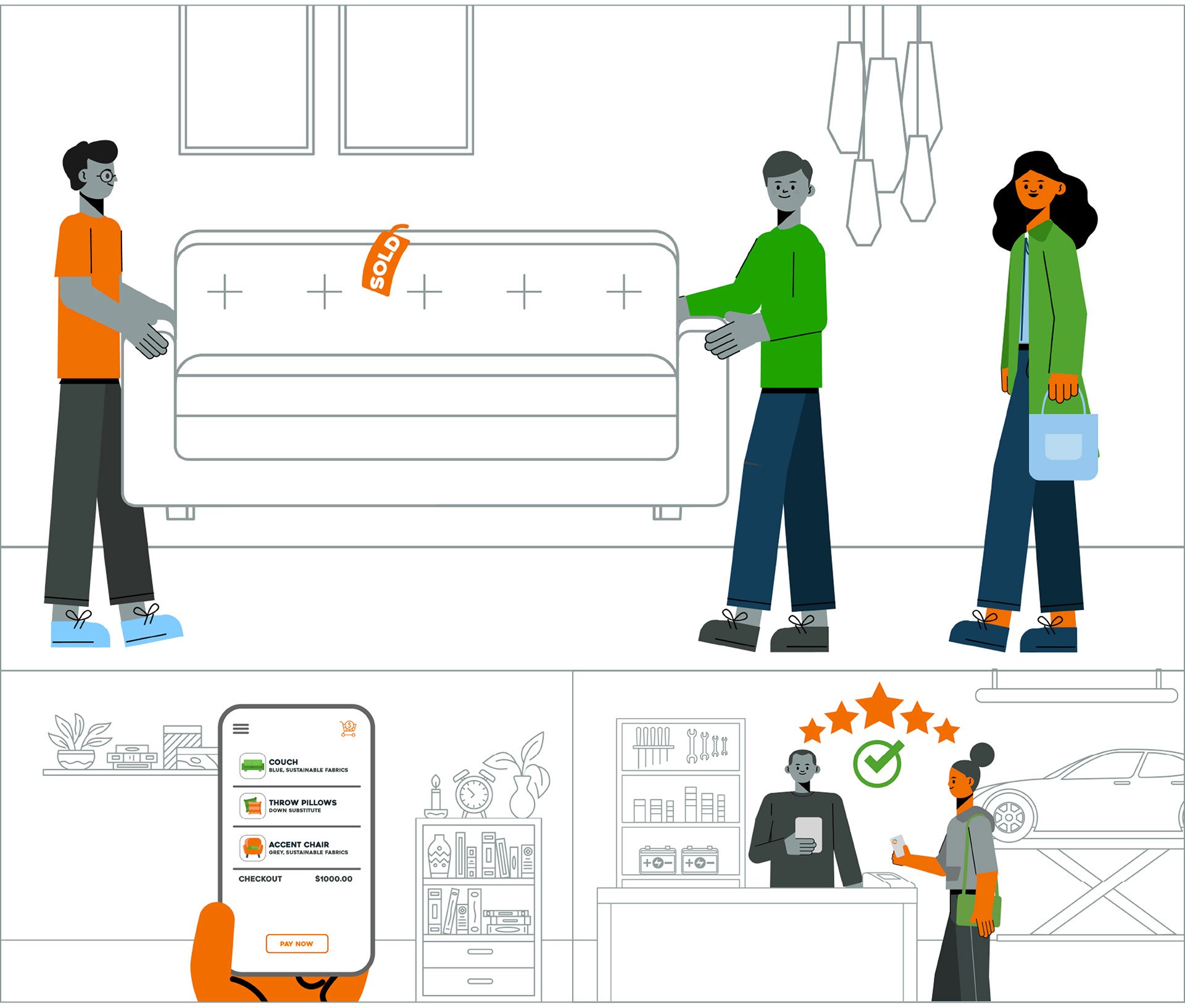
High-fidelity styleframes translated the boards into exact targets: palette, hierarchy, and feeling locked while changes were still cheap. Animation forgives nothing, so every decision that could be made early, was.
Phase 3
Character Design
Abstract enough to be anyone. Specific enough to be someone.
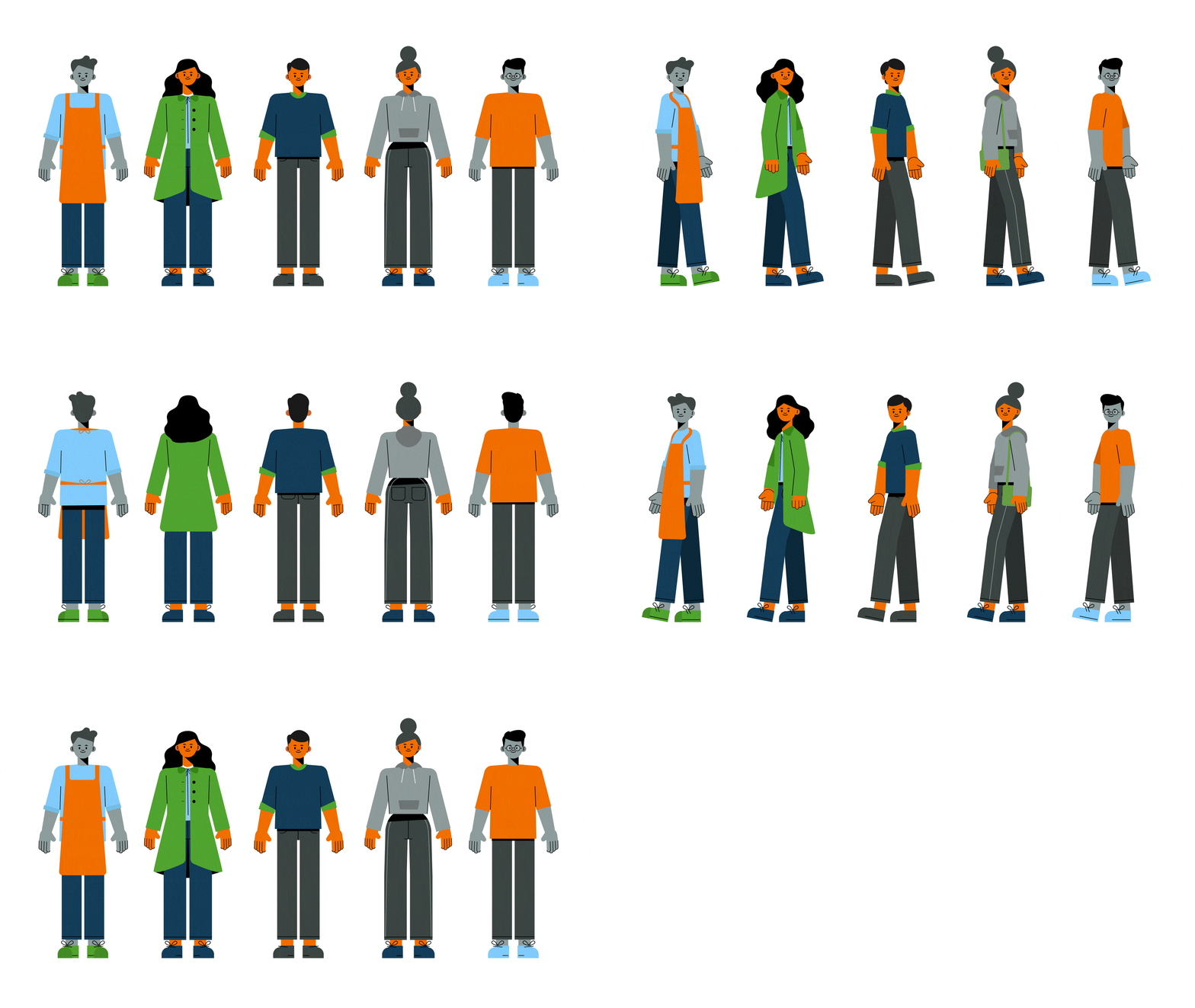
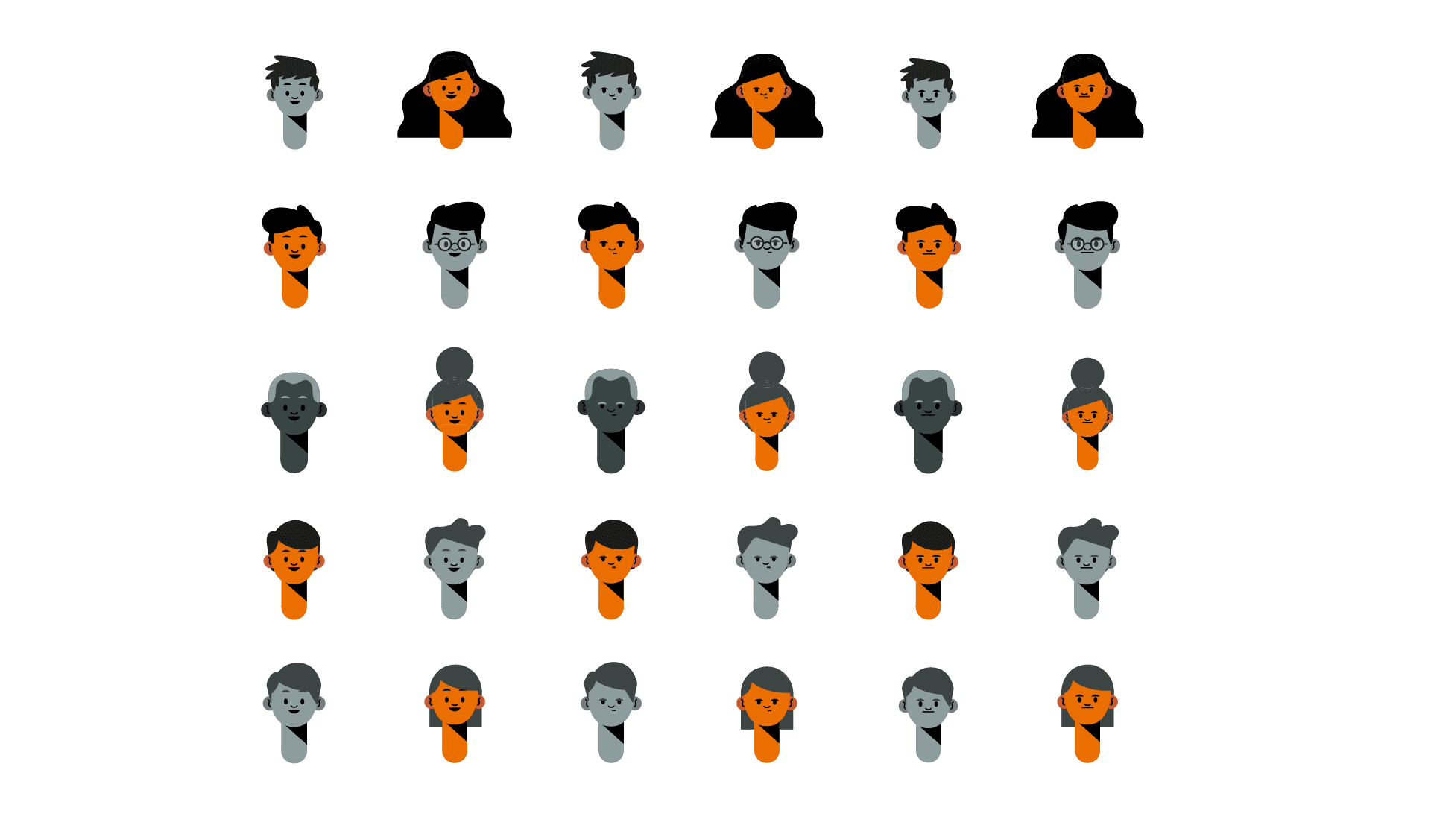
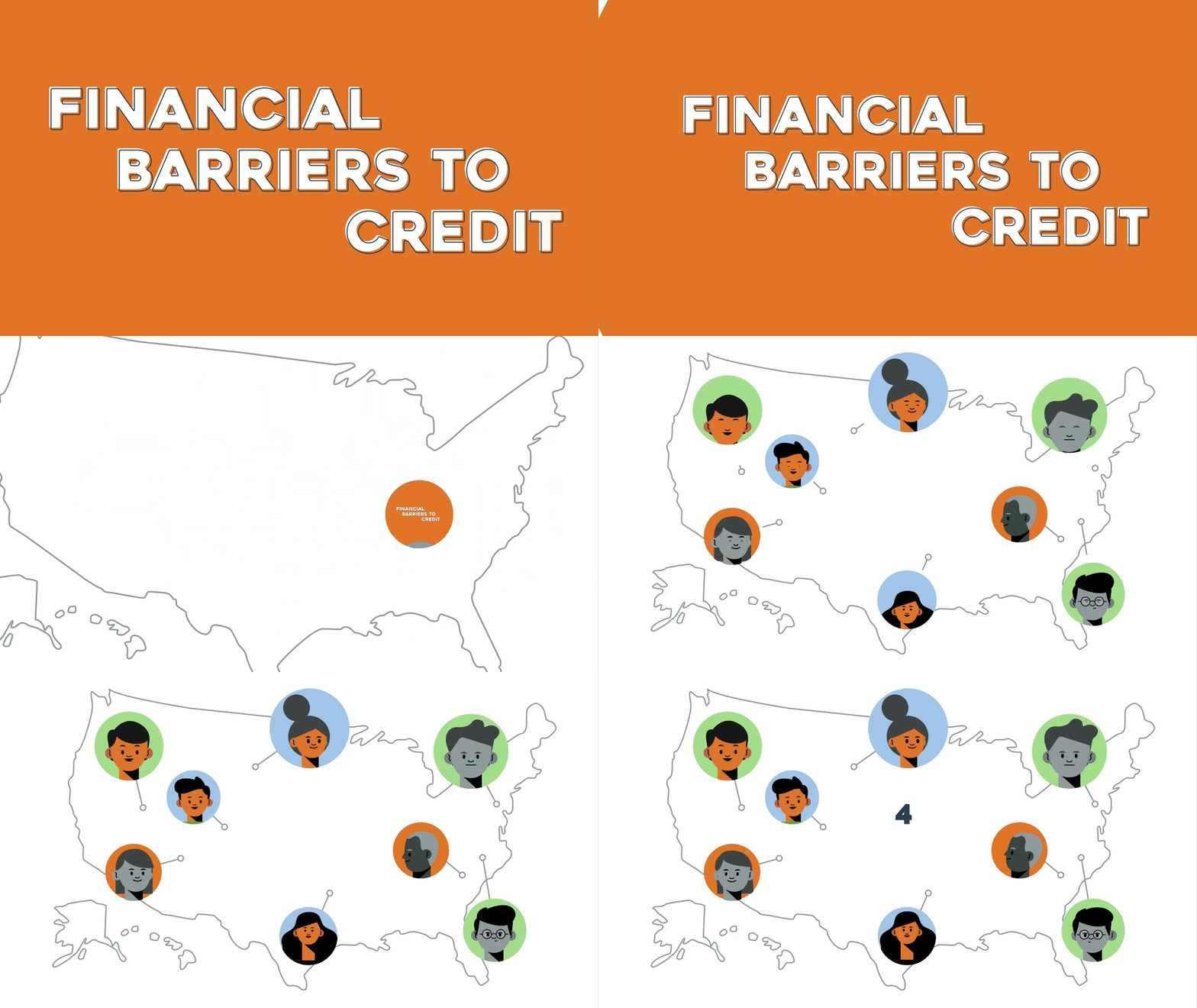
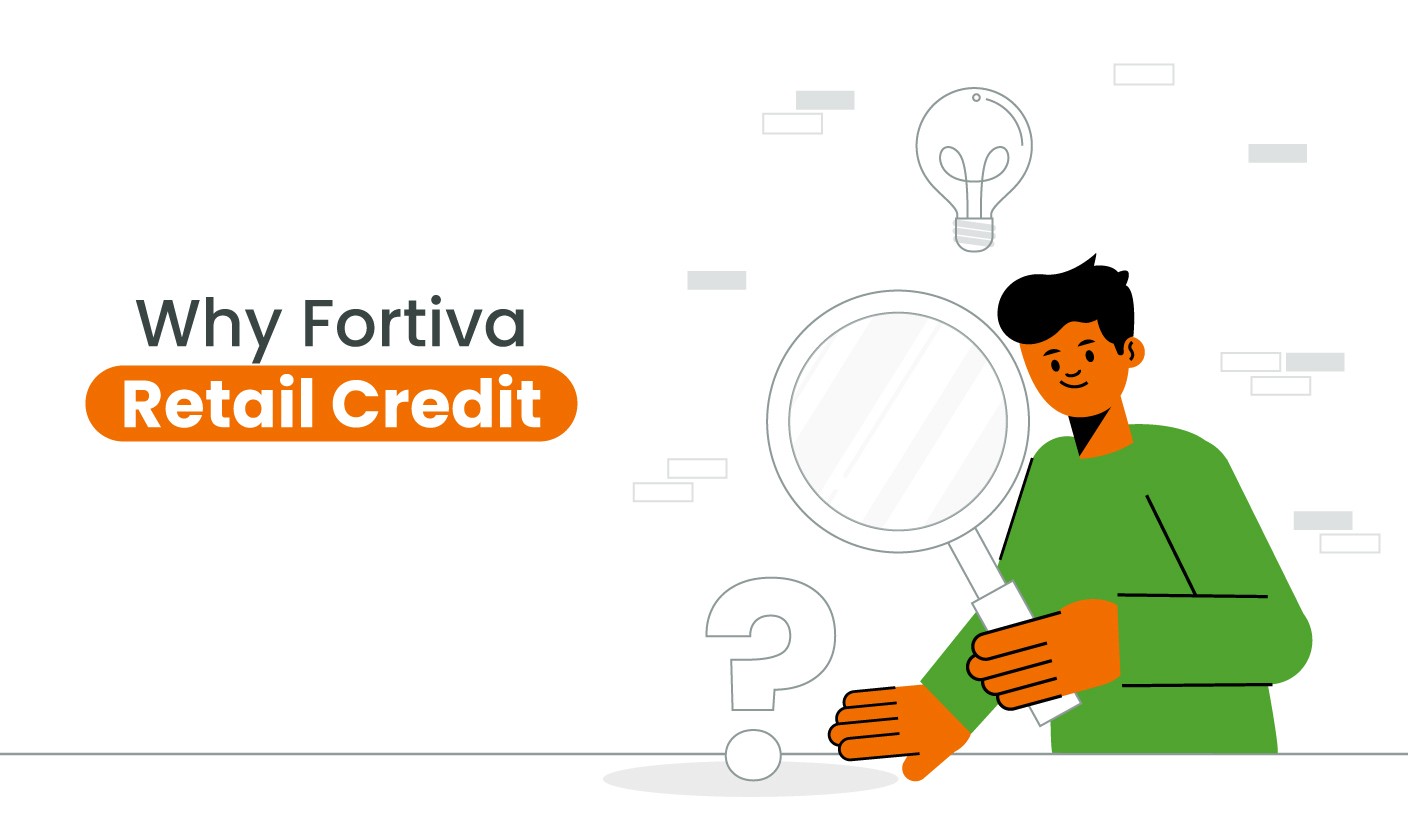
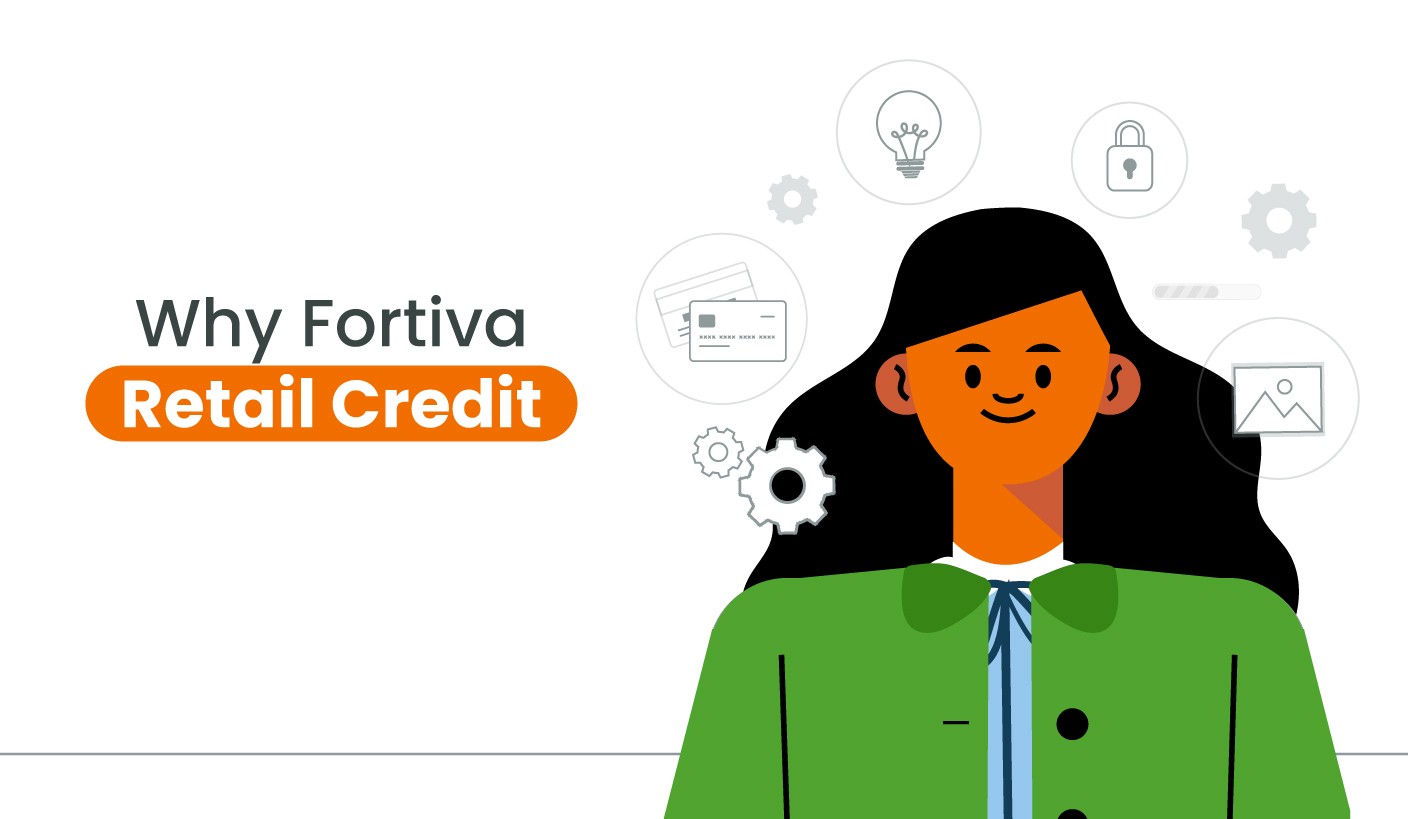
The characters were crafted to reflect diverse audiences while staying flexible enough to power one unified visual language. Enough personality to feel human, enough structure to scale without breaking. That tension was the whole assignment.
Phase 4
Animation
A system that learned to perform.
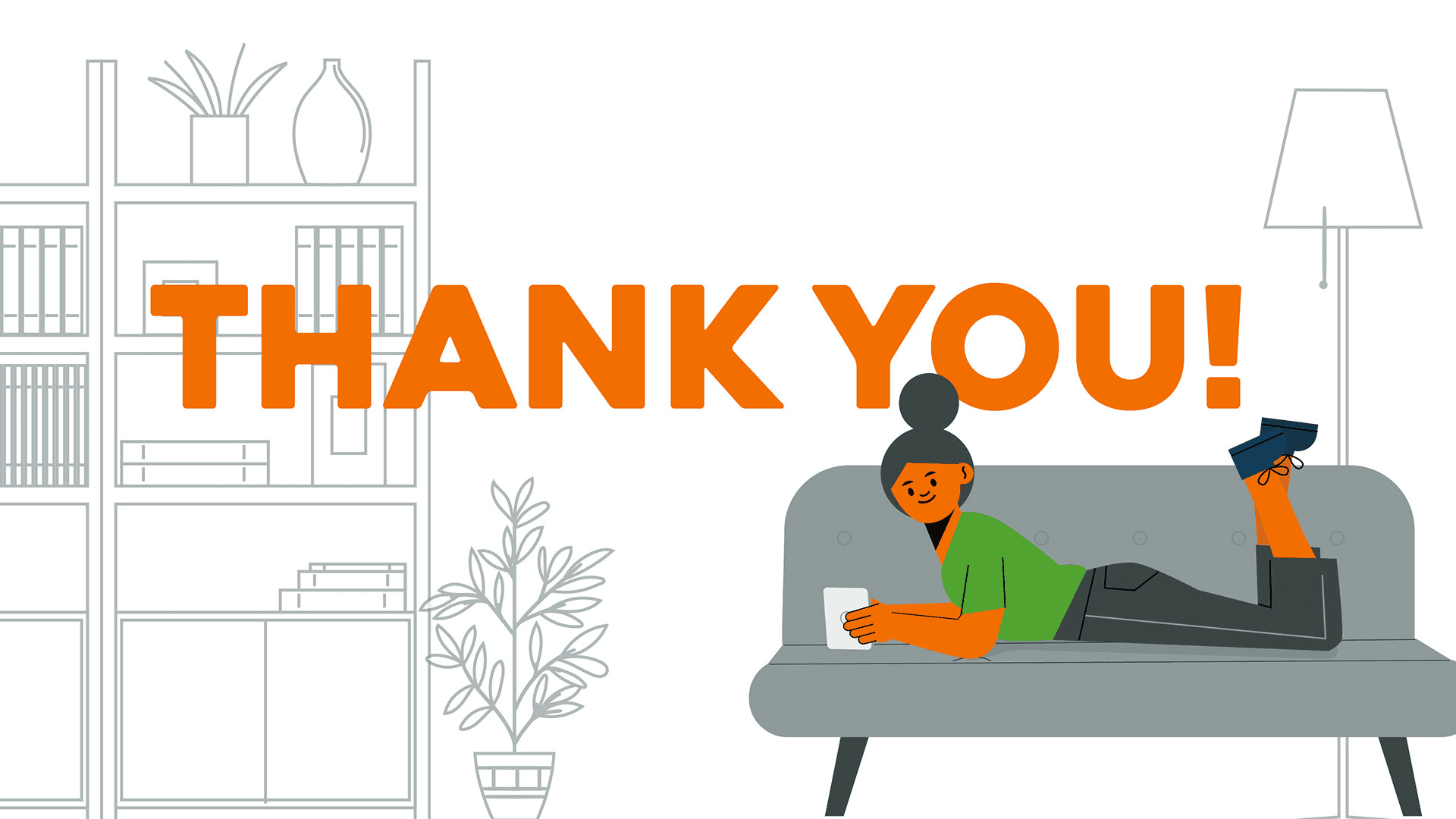
Deliberate timing, transitions, and character performance turned a modular illustration system into a cohesive 120-second narrative. The library didn't just survive its biggest deliverable. It got better because of it.

Bonus 1
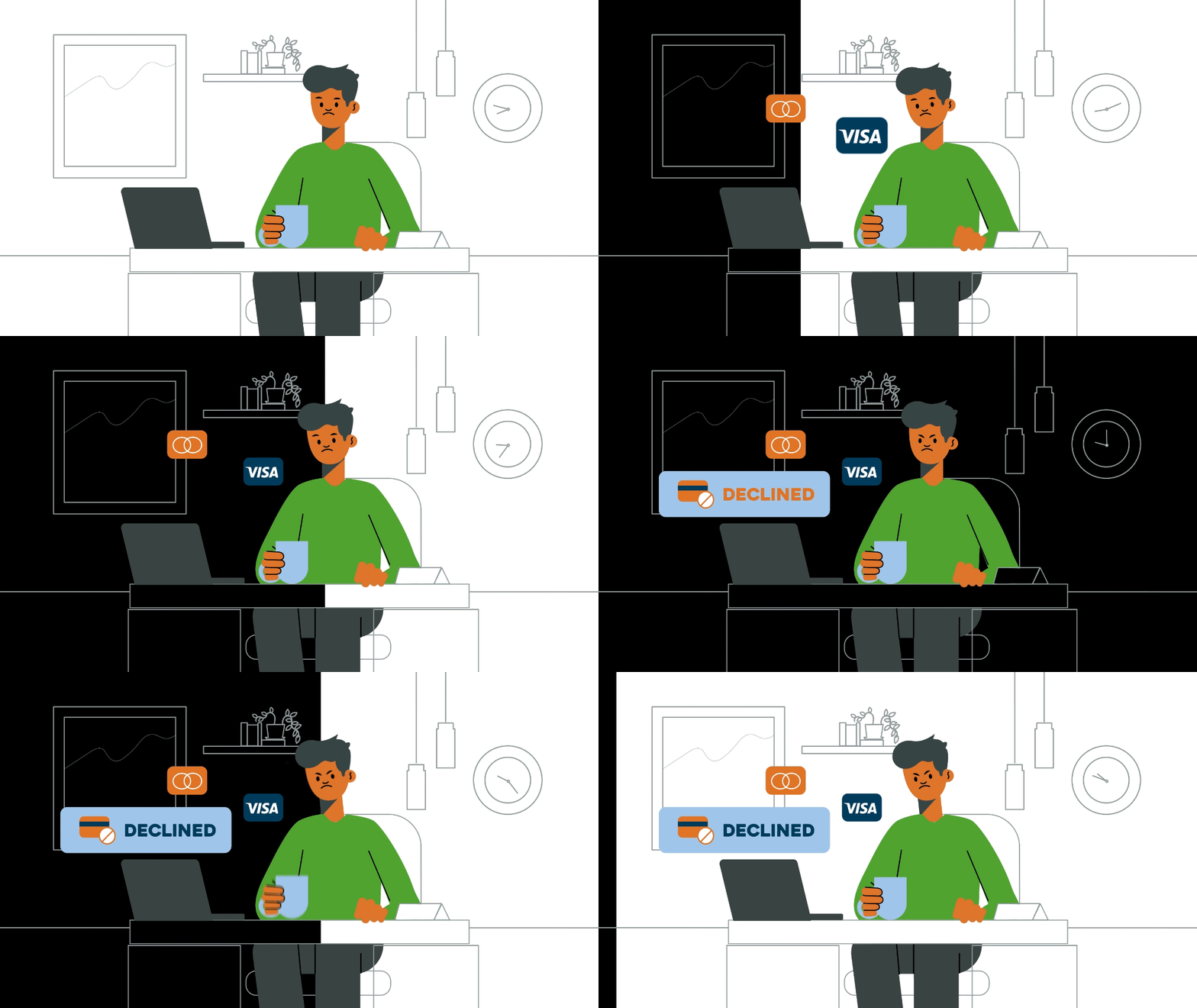
Dark Mode
The system adapted to dark mode without losing clarity, hierarchy, or accessibility. A small test with a big implication: the language holds anywhere.
Bonus 2
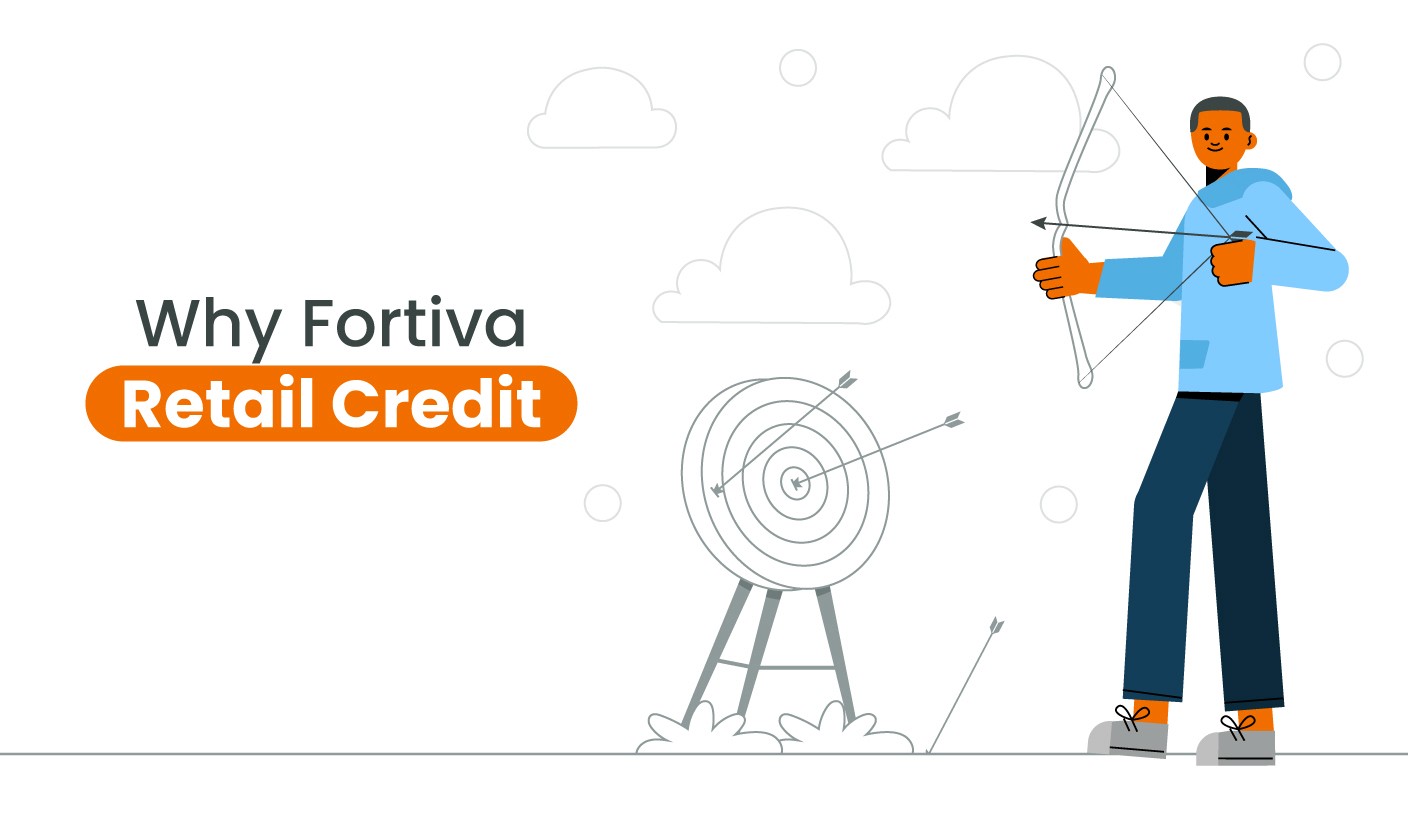
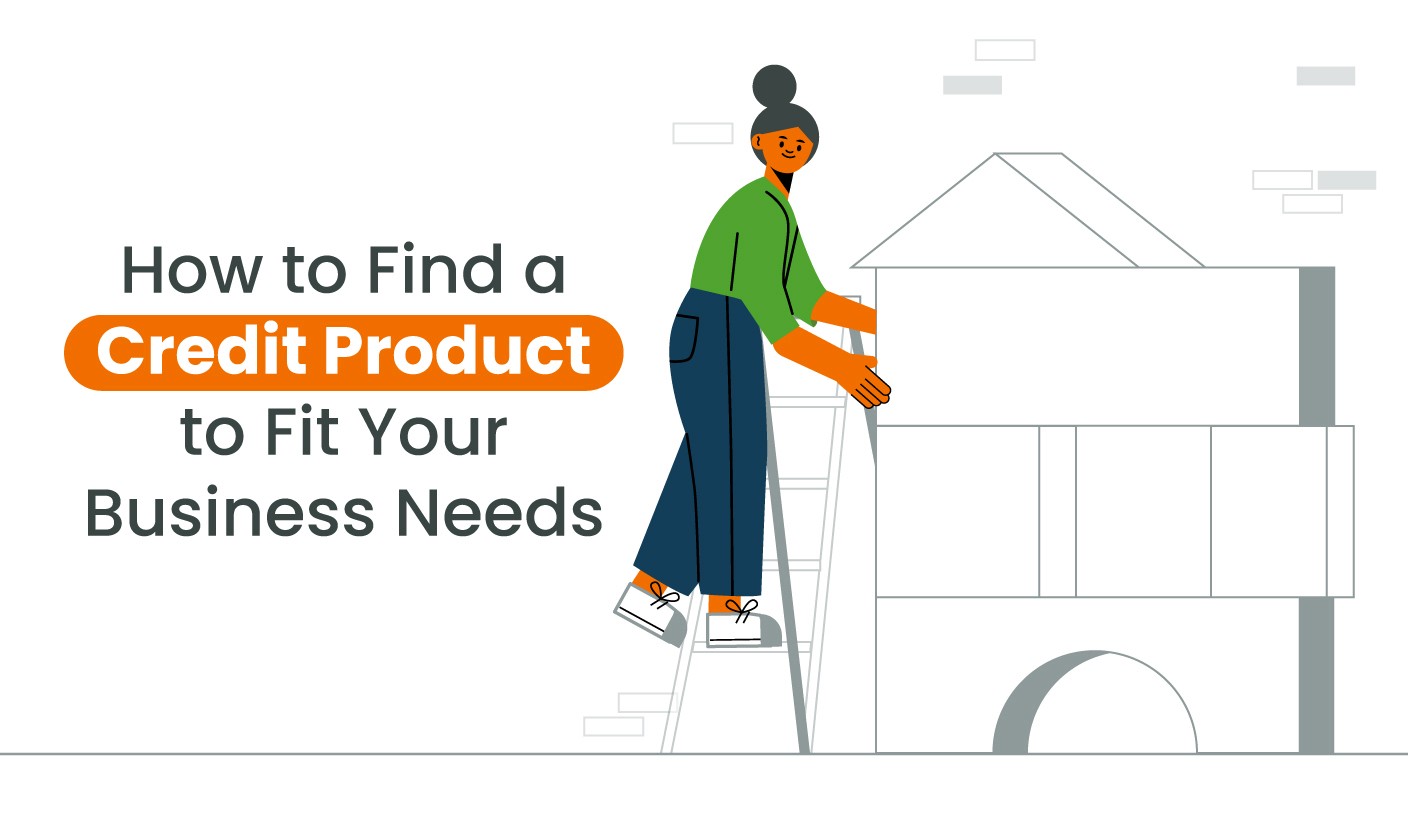
Editorial Assets
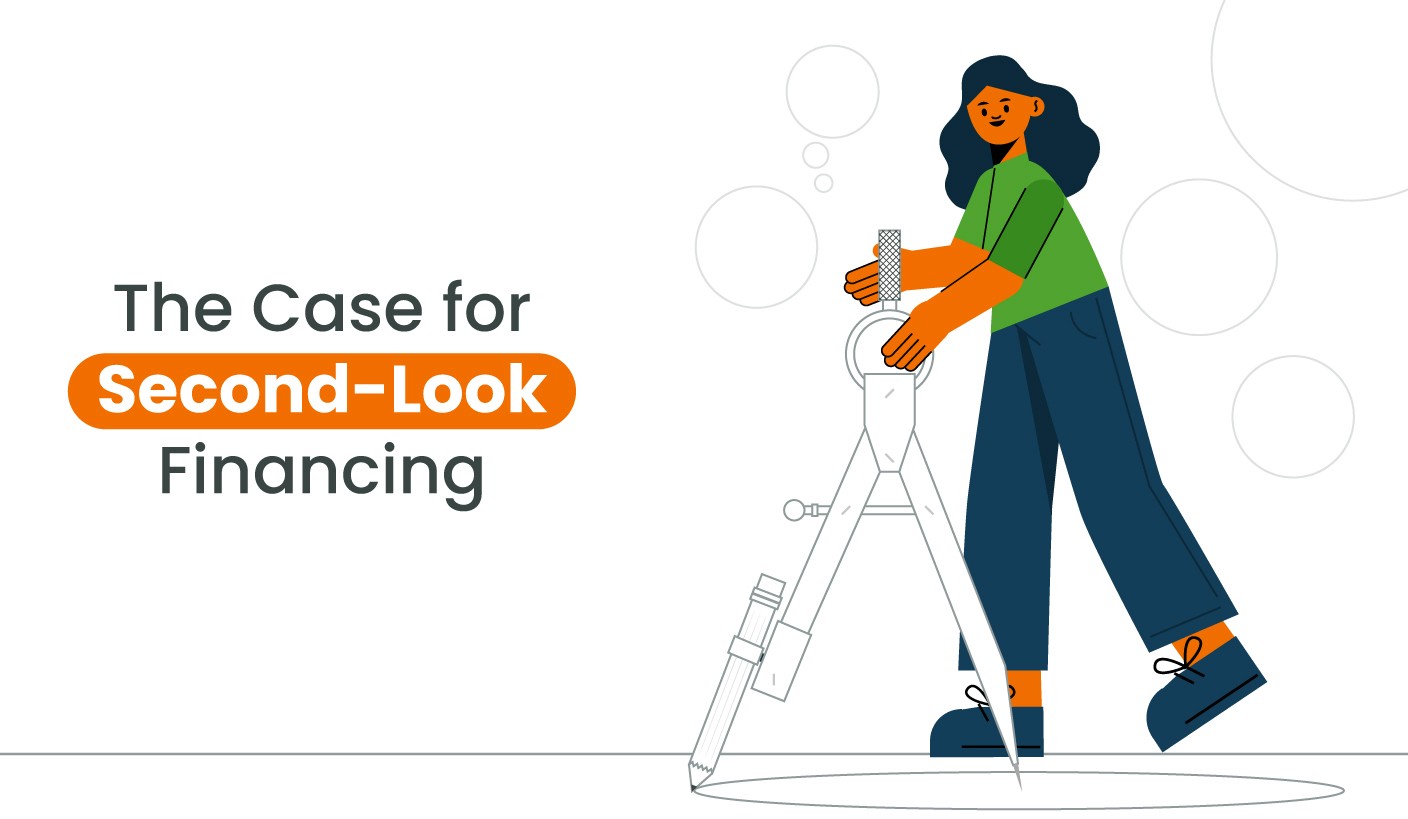
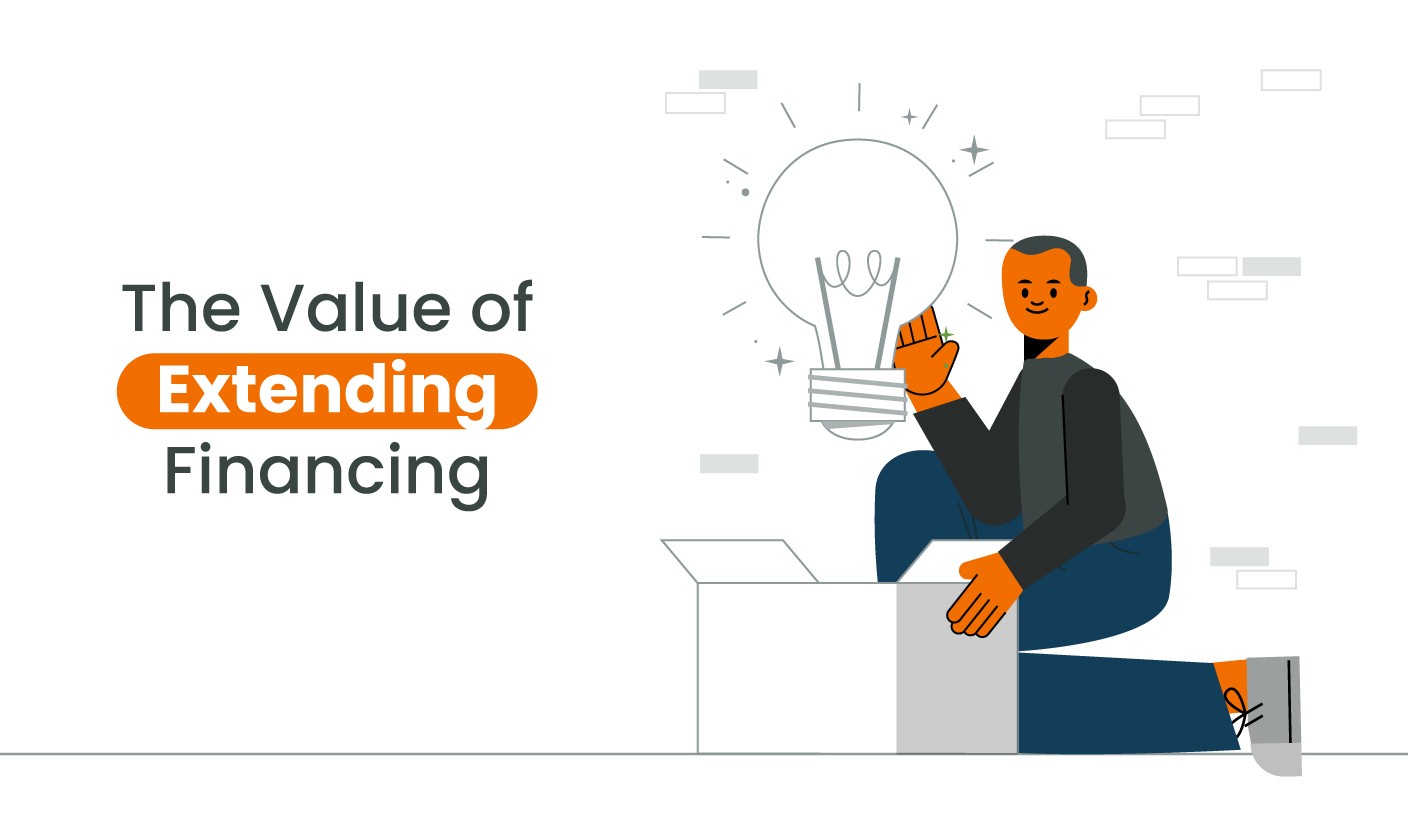
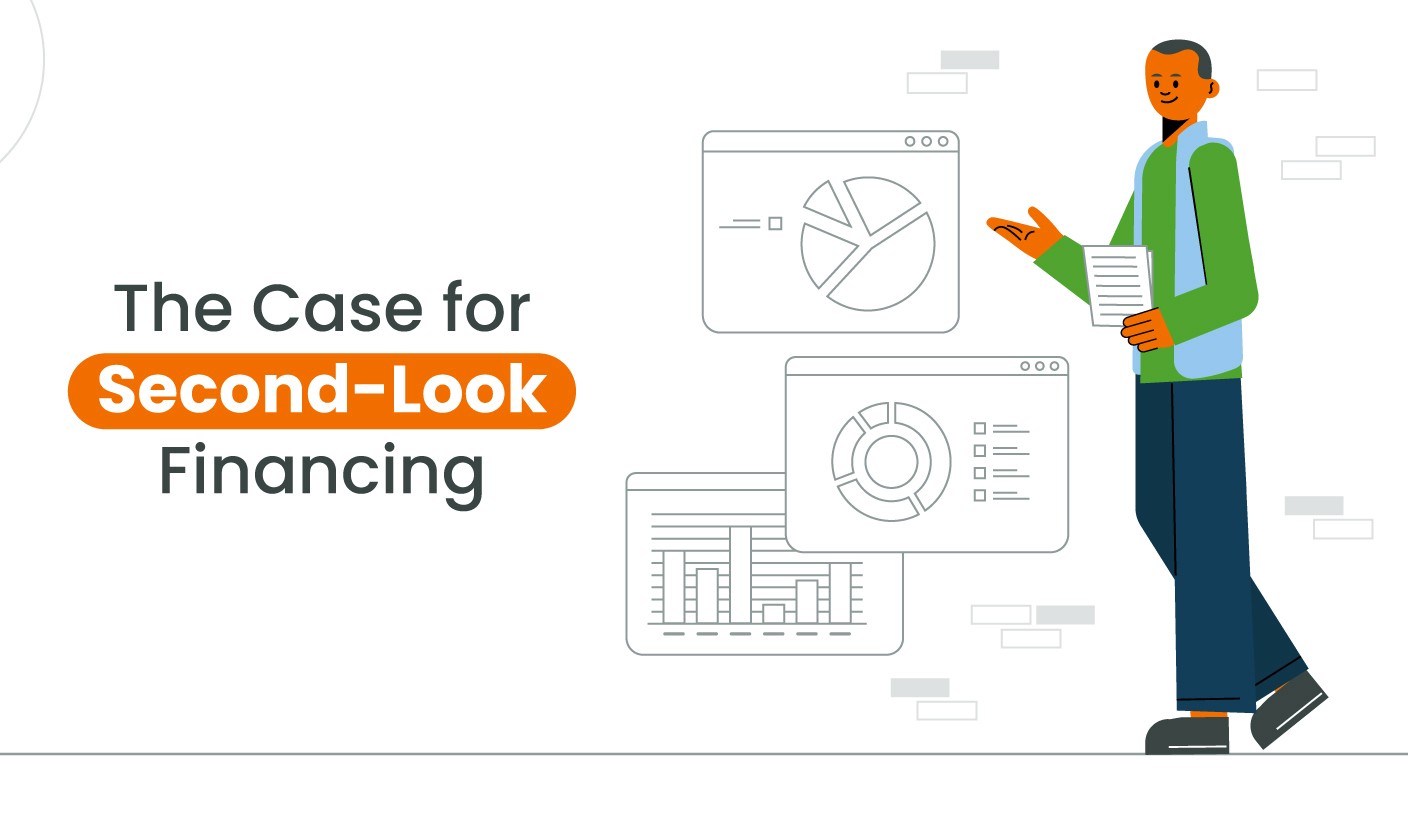
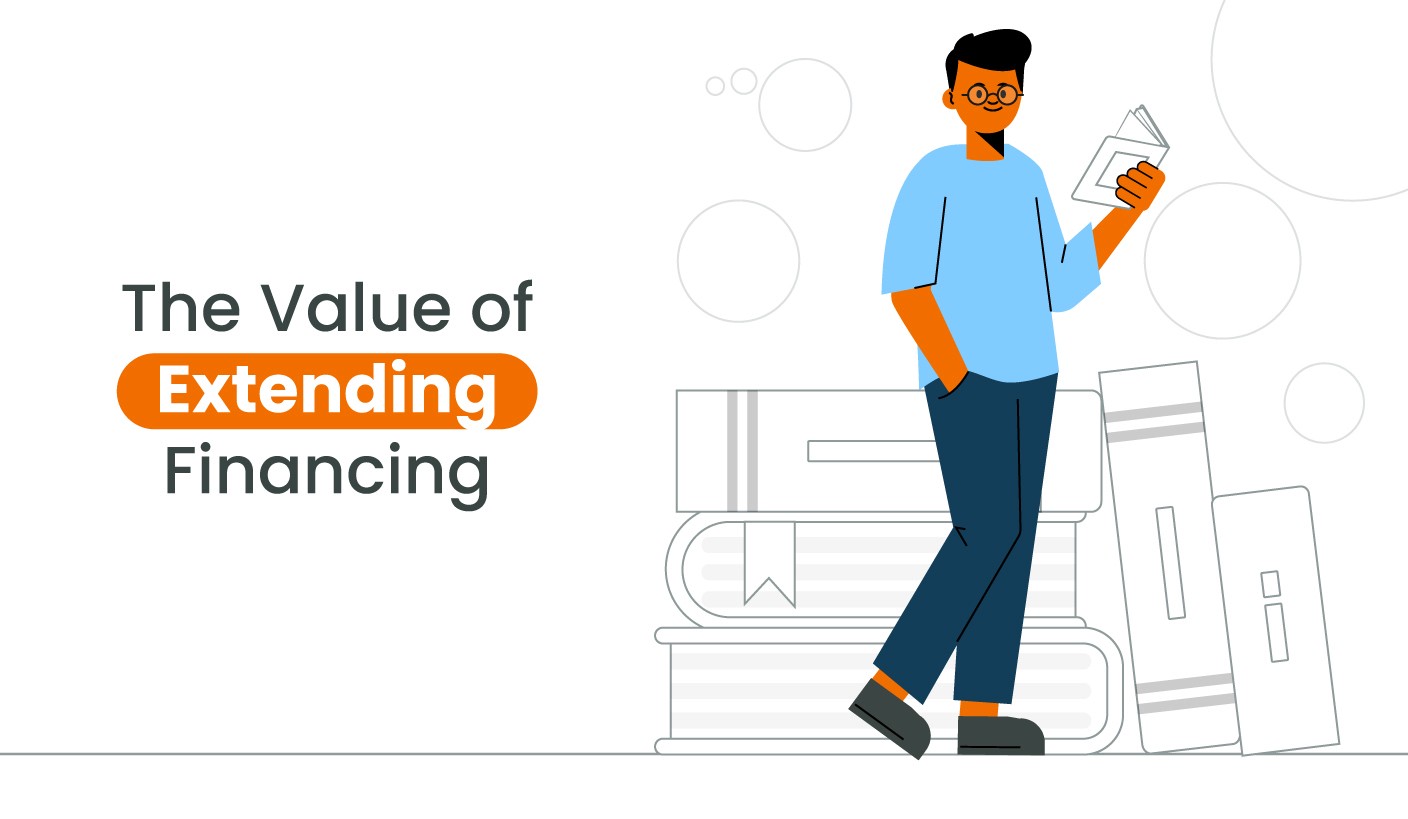
The same system, compressed into bold blog thumbnails built for recognition and consistency at feed speed. Illustration as infrastructure, proven at every size.
Credits
Creative Direction - Pooyan Alizadeh
Character Design - Nadia Xu
Storyboard - Nicolle Ginter
Animation - Arash Sharifkian